What Are Slot Versions, Sequels, and Remasters?
 Aaron Mitchell
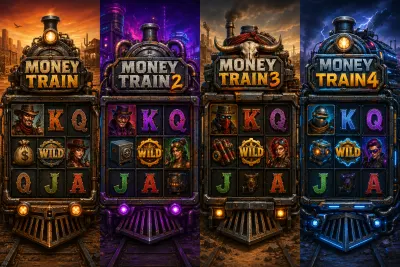
Slot versions, sequels, and remasters are 3 distinct categories of slot game releases that expand or modify an original title. Slot versions refer to alternate configurations of the same game with different RTP or volatility settings. Slot sequels are new games that continue the theme and branding of a base game with updated mechanics or bonus features. Slot remasters are rebuilt versions of existing games that use modernized technology, graphics, or reel systems. Software providers such as Pragmatic Play, NetEnt, and Microgaming release multiple versions of popular slot games to reach different markets, regulatory environments, and player preferences. Understanding the differences between slot versions, slot sequels, and slot remasters helps players identify which game configuration they are playing and how it affects their expected return. Learn more about slots with SlotsRank guides.
What is the Difference Between a Base Game, a Sequel, a Megaways Version, and a Branded Variant?
There are 4 main types of slot game releases in the online casino industry. The 4 types of slot game releases are listed below.
- Base game is the original release of a slot title
- Sequel is a new game that continues the theme with updated mechanics
- Megaways version is a remaster that replaces the original reel system with the Megaways mechanic
- Branded variant is a version that incorporates licensed intellectual property (IP)
What is a Base Game in Online Slots?
A base game is the original version of a slot title released by its software provider. The base game establishes the core theme, reel structure, payout mechanics, and RTP value. The base game serves as the foundation for all subsequent sequels, remasters, and variants. Gates of Olympus by Pragmatic Play is an example of a base game that uses a 6x5 grid, has an RTP of 96.50%, and is high-volatility. Starburst by NetEnt is another example of a base game that uses a 5x3 grid with 10 paylines and an RTP of 96.09%. Every sequel, remaster, or variant traces its origin back to the design decisions established in the base game.
What is a Slot Sequel?
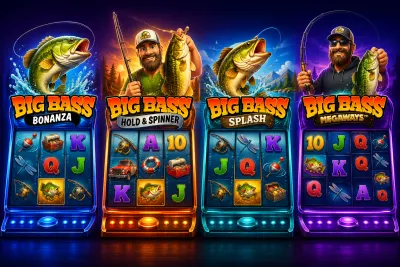
A slot sequel is a new game that continues or expands the theme and mechanics of a base game under the same franchise branding. Slot sequels retain the core visual identity and character design of the original title. Slot sequels introduce new bonus features, adjusted grid sizes, or modified payout structures to differentiate from the base game. Big Bass Splash is a sequel to Big Bass Bonanza by Pragmatic Play. Big Bass Splash added new fisherman multiplier mechanics and retriggerable free spins that did not exist in the original Big Bass Bonanza.
Successful slot sequels increase player engagement by offering fresh mechanics within a familiar theme. Underperforming sequels dilute the franchise identity by changing too many core elements without improving the gameplay experience. The quality of a slot sequel depends on whether the new features enhance the original design or simply add complexity without adding value.
What is a Megaways Slot Version?
A Megaways slot version is a remaster that replaces the original reel system with the Megaways mechanic licensed from Big Time Gaming (BTG). The Megaways mechanic uses random reel sizes on each spin to generate up to 117,649 ways to win. The Megaways mechanic dramatically increases the number of winning combinations compared to a traditional fixed-payline base game. Gonzo's Quest Megaways by Red Tiger Gaming is a remaster of the original Gonzo's Quest by NetEnt. The original Gonzo's Quest uses 20 fixed paylines while Gonzo's Quest Megaways offers up to 117,649 ways to win per spin.
Megaways versions typically increase volatility compared to the base game because the expanded win potential comes with less frequent payouts. More than 20 software providers have licensed the Megaways mechanic from Big Time Gaming since its introduction.
What is a Branded Slot Variant?
A branded slot variant is a version that incorporates licensed intellectual property (IP) from entertainment, sports, or cultural brands. Branded slot variants use recognizable characters, storylines, and visual assets from the licensed IP. Branded slot variants differ from base games in visual themes, bonus mechanics, and often RTP values. Jurassic World by Microgaming uses the Universal Pictures film franchise IP with themed bonus rounds and iconic imagery.
Branded slot variants typically have lower RTPs than non-branded equivalents because providers offset IP licensing fees by reducing player returns. A non-branded slot with an RTP of 96.50% may have a branded equivalent with an RTP of 95.00% or lower due to licensing costs.
How Do Providers Change Math, RTP, and Volatility in New Slot Versions?
Providers adjust 3 core mathematical parameters when releasing new slot versions. The 3 parameters are RTP, volatility, and hit frequency. Each parameter shapes the player's experience differently.
What is RTP and How Does It Change Between Versions?
RTP (Return to Player) is the percentage of total wagered money that a slot returns to players over time. RTP is expressed as a percentage value. RTP values range from approximately 85% to 98% across the online slot market. A slot with an RTP of 96.50% returns $96.50 for every $100 wagered on average over millions of spins.
Providers change RTP between versions for 3 main reasons. First, regulatory requirements in certain jurisdictions mandate minimum RTP thresholds. Second, casino operators request lower RTP settings to increase their per-spin revenue margin. Third, market-specific player preferences influence whether a higher or lower RTP is optimal for engagement. The same slot game title can have an RTP of 96.50% on one casino platform and 94.50% on another platform because of these operator-level configuration choices.
How Does Volatility Differ Between Slot Versions?
Volatility determines the risk level of a slot game by controlling the frequency and size of payouts. Volatility is categorized into 3 levels. Low volatility slots pay smaller amounts more frequently. High volatility slots pay larger amounts less frequently. Medium volatility slots balance payout frequency and size between the two extremes.
Providers increase slot volatility in new versions to attract players seeking higher maximum win potential. The "1000" variants by Pragmatic Play demonstrate this trend. Gates of Olympus has a maximum win of 5,000x the bet in its base version. Gates of Olympus 1000 increases the maximum win and adjusts the bonus mechanic to deliver larger but rarer payouts. Higher volatility benefits players who accept longer losing streaks in exchange for the chance of a large single win. Lower volatility benefits players who prefer steady, smaller returns with reduced risk.
What is Hit Frequency and How Does It Change in Remasters?
Hit frequency is the percentage of spins that produce any winning combination. Hit frequency ranges from approximately 20% to 40%, depending on the slot's volatility level. High-volatility slots typically have a hit frequency between 20% and 25%. Low-volatility slots typically have a hit frequency between 30% and 40%.
Remasters often lower hit frequency to increase the maximum win potential per spin. Reducing the hit frequency concentrates the payout value into fewer but larger wins. The relationship between hit frequency, volatility, and RTP defines the overall math model of every slot version.
What is the "1000" Variant Trend in Modern Slots?
The "1000" variant trend refers to Pragmatic Play's practice of releasing enhanced versions of popular slot games with increased maximum win multipliers. The 1000 variant modifies the bonus mechanic to allow larger multiplier accumulation during free spins. The 1000 variant targets high-volatility players who prefer extreme payout potential. Gates of Olympus 1000 and Sweet Bonanza 1000 are the most prominent examples of this trend. The base version of Gates of Olympus offers a maximum win of 5,000x the bet, while the 1000 variant increases multiplier intensity during bonus rounds. The 1000 variant trend has gained popularity because it lets players experience a familiar game with higher risk and reward without having to learn an entirely new title.
How to Identify Which Slot Version You Are Playing

The 5 key identifiers for recognizing which slot version is active are listed below.
- Check the game title for suffixes such as "Megaways," "1000," "Deluxe," "Xmas," or "Remastered" that indicate a modified version
- Open the game info or help menu by tapping the "i" or "?" icon within the slot interface to view the stated RTP and version details
- Review the paytable screen to compare symbol values, bonus rules, and grid dimensions against the known base game specifications
- Consult the casino's game library page, where the listed RTP and volatility level for the specific version are displayed
- Visit the provider's official website to compare the listed math model against the version available at the current casino
The same slot game title can have different RTPs on different casino platforms. Verify the active RTP in the game's info menu before placing real-money bets to confirm which version the casino is offering.
Why Do Casinos Offer Different Slot Versions?
The 4 main reasons why casinos offer different slot versions are listed below.
- Regulation requires casinos to comply with jurisdiction-specific rules on RTP disclosure, stake limits, and bonus mechanics
- RTP configuration options allow casinos to select from multiple RTP tiers offered by the provider for the same game title
- Market targeting enables casinos to offer versions that match regional player preferences for volatility and theme
- Licensing and branding create exclusive branded variants for specific operators or markets
How Does Regulation Affect Which Slot Versions Casinos Offer?
Regulation affects the availability of slot versions because different jurisdictions impose varying rules on RTP, stake limits, and bonus features. The UK Gambling Commission requires casinos to clearly display the RTP of every slot game. The UK Gambling Commission also enforces stake caps that limit per-spin betting amounts. The Malta Gaming Authority (MGA) applies similar transparency rules for licensed operators in Europe. Curacao-licensed casinos operate under fewer restrictions on RTP disclosure and stake limits. Providers create region-specific slot versions to comply with each jurisdiction's requirements because a single universal version cannot satisfy all regulatory frameworks simultaneously.
How Do Casinos Use RTP Configuration Options?
Many providers offer the same slot game across multiple RTP tiers, which casinos select based on their revenue strategy. RTP configuration options typically include a high tier (e.g., 96.50%), a medium tier (e.g., 94.50%), and a low tier (e.g., 92.00%). RTP configuration selection is made by the casino operator, not the player. Casinos that choose lower RTP tiers retain a higher percentage of wagered money per spin. Players experience reduced expected returns when a casino selects a lower RTP tier. Players benefit from higher expected returns when a casino selects a higher RTP tier. Verify the active RTP in the game's info menu before playing to confirm which configuration the casino has selected.
How Does Market Targeting Influence Slot Version Availability?
Market targeting influences the availability of slot versions because providers and casinos tailor their offerings to regional player preferences. Asian markets tend to prefer high-volatility cascading reel mechanics. European markets lean toward classic reel structures with moderate volatility. Latin American markets gravitate toward branded entertainment themes. Certain slot versions appear only in specific regions due to cultural and regulatory factors.
How Does Licensing Affect Slot Versions?
Licensing affects slot versions because IP licensing agreements create branded variants exclusive to specific operators or regions. Licensing fees for entertainment, sports, or cultural IP add costs that providers offset through the slot's math model. Licensing costs typically result in a lower RTP for branded variants compared to non-branded equivalents. Exclusive licensing deals restrict certain branded slot versions to a single casino operator or a limited group of platforms.
What Are the Most Notable Slot Sequels and Remasters?
There are 5 notable slot sequels and remasters that demonstrate how providers expand successful franchises. The 5 notable slot sequels and remasters are listed below.
- Big Bass Splash by Pragmatic Play is a sequel to Big Bass Bonanza. Big Bass Splash added new fisherman multipliers and up to 4 fishermen in a single free spin round.
- Gonzo's Quest Megaways by Red Tiger Gaming is a Megaways remaster of the original Gonzo's Quest by NetEnt. Gonzo's Quest Megaways expanded the win potential from 20 paylines to up to 117,649 ways to win.
- Gates of Olympus 1000 by Pragmatic Play is a 1000 variant of the original Gates of Olympus. Gates of Olympus 1000 enhanced the multiplier accumulation mechanic during bonus rounds.
- Sweet Bonanza 1000 by Pragmatic Play is a 1000 variant of Sweet Bonanza. Sweet Bonanza 1000 increased the maximum win potential and adjusted the bonus trigger behavior.
- Immortal Romance Remastered by Microgaming is a visual and mechanical update of the original 2011 Immortal Romance. Immortal Romance Remastered modernized the graphics and interface while retaining the original storyline and bonus structure.
How to Choose the Best Slot Version for Your Playing Style
There are 5 steps for choosing the right slot version. The 5 steps are listed below.
- Define the preferred risk tolerance by deciding between low, medium, or high volatility gameplay
- Compare the RTP values of available versions to identify the configuration with the highest expected return
- Check the volatility level of each version to match payout frequency and size to the preferred playing style
- Review the bonus mechanics of each version to determine which features align with the preferred gameplay experience
- Verify the version's availability and active RTP at the chosen casino platform before depositing funds
Frequently Asked Questions
What is the difference between a slot sequel and a slot remaster?
A slot sequel is a new game that expands the original theme with new mechanics. A slot remaster is a rebuilt version of the same game using updated technology or reel systems.
What does Megaways mean in a slot game?
Megaways is a licensed reel mechanic by Big Time Gaming that uses random reel sizes per spin to generate up to 117,649 ways to win per round.
How do I know if I am playing the original version of a slot?
The original version has no title suffixes such as "Megaways," "1000," or "Deluxe." Verify the RTP in the game's info menu against the provider's published base game specification.
What is the "1000" variant in Pragmatic Play slots?
The "1000" variant is an enhanced Pragmatic Play version that increases the maximum win multiplier and adjusts the bonus mechanic for higher-volatility gameplay. Gates of Olympus 1000 is a leading example.
Do all slot versions have the same RTP?
No, not all slot versions have the same RTP. Providers offer the same slot game in multiple RTP tiers, and casino operators select the tier independently based on their revenue strategy.
Why do some casinos offer lower RTP versions of the same slot?
Casinos offer lower RTP versions because reduced RTP configurations increase the casino's revenue margin per spin. Players experience lower expected returns when a casino selects a lower tier.
Are slot sequels better than the original base games?
Slot sequels are not always better than base games. The quality depends on whether the new features enhance or dilute the original design and payout structure.
Does regulation affect the RTP of online slot games?
Yes, regulation affects RTP because different jurisdictions impose different rules on minimum RTP thresholds and transparency requirements. Providers create region-specific slot versions to comply.